

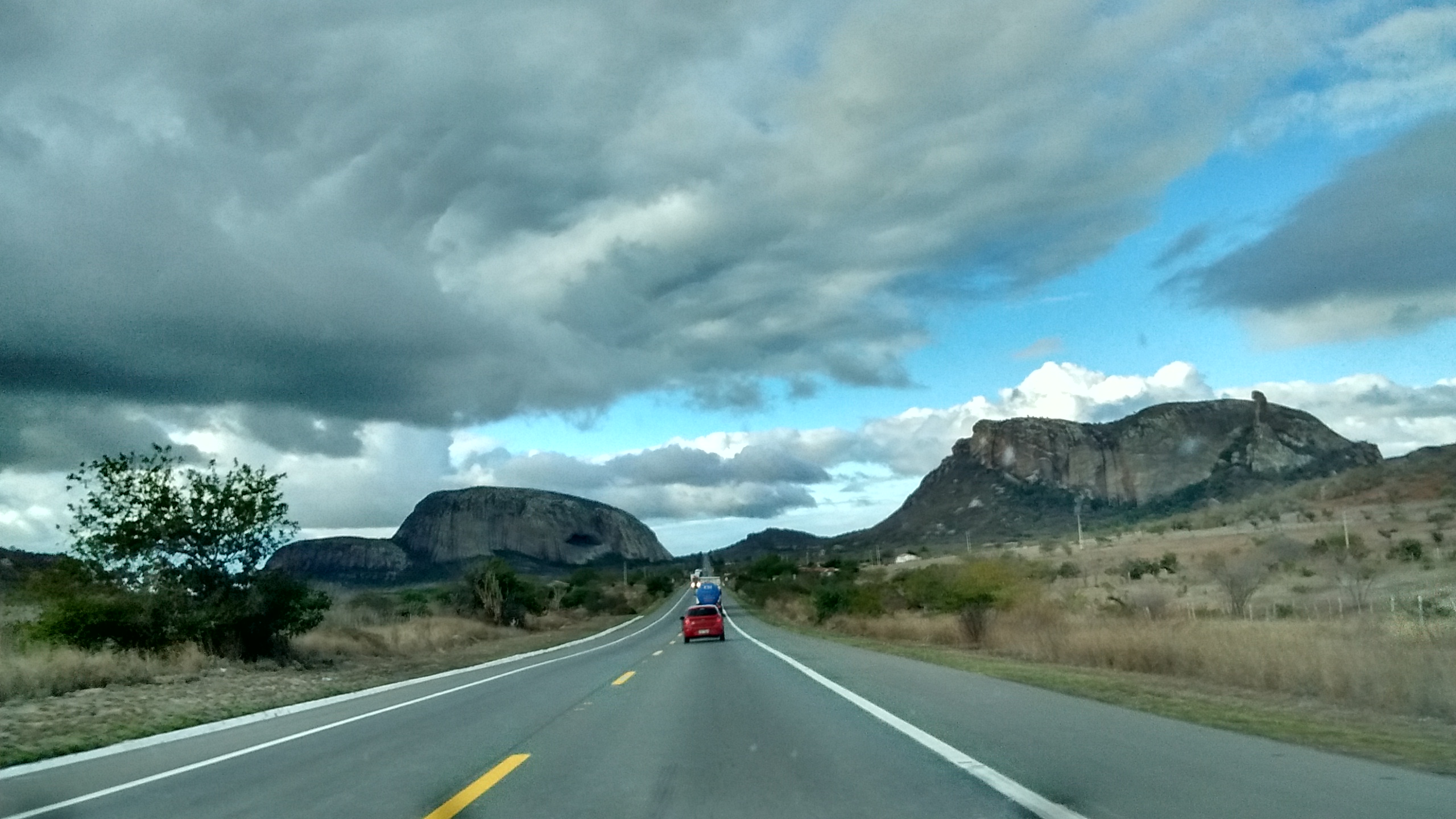
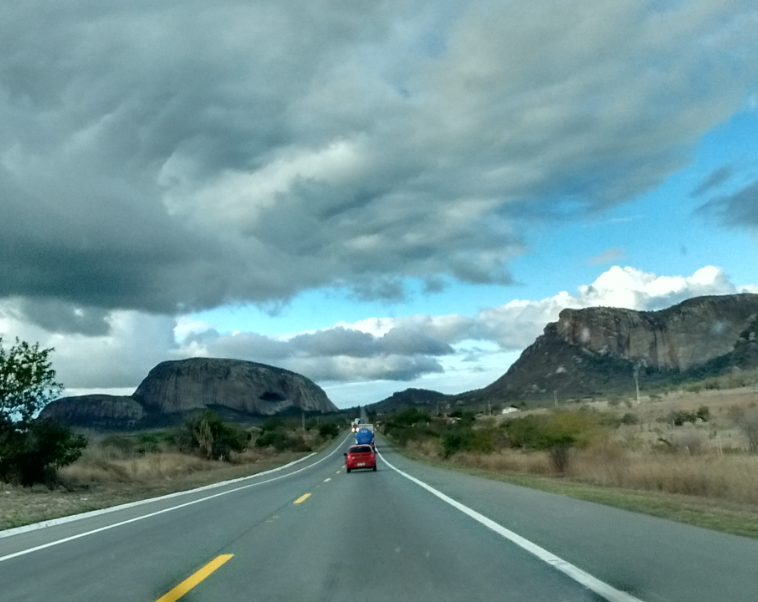
ROADIS manages the BR-116 highway, which crosses the country from north to south through the state of Bahia. In 2015 financing for this highway was closed with the Brazilian Development Bank (BNDES).
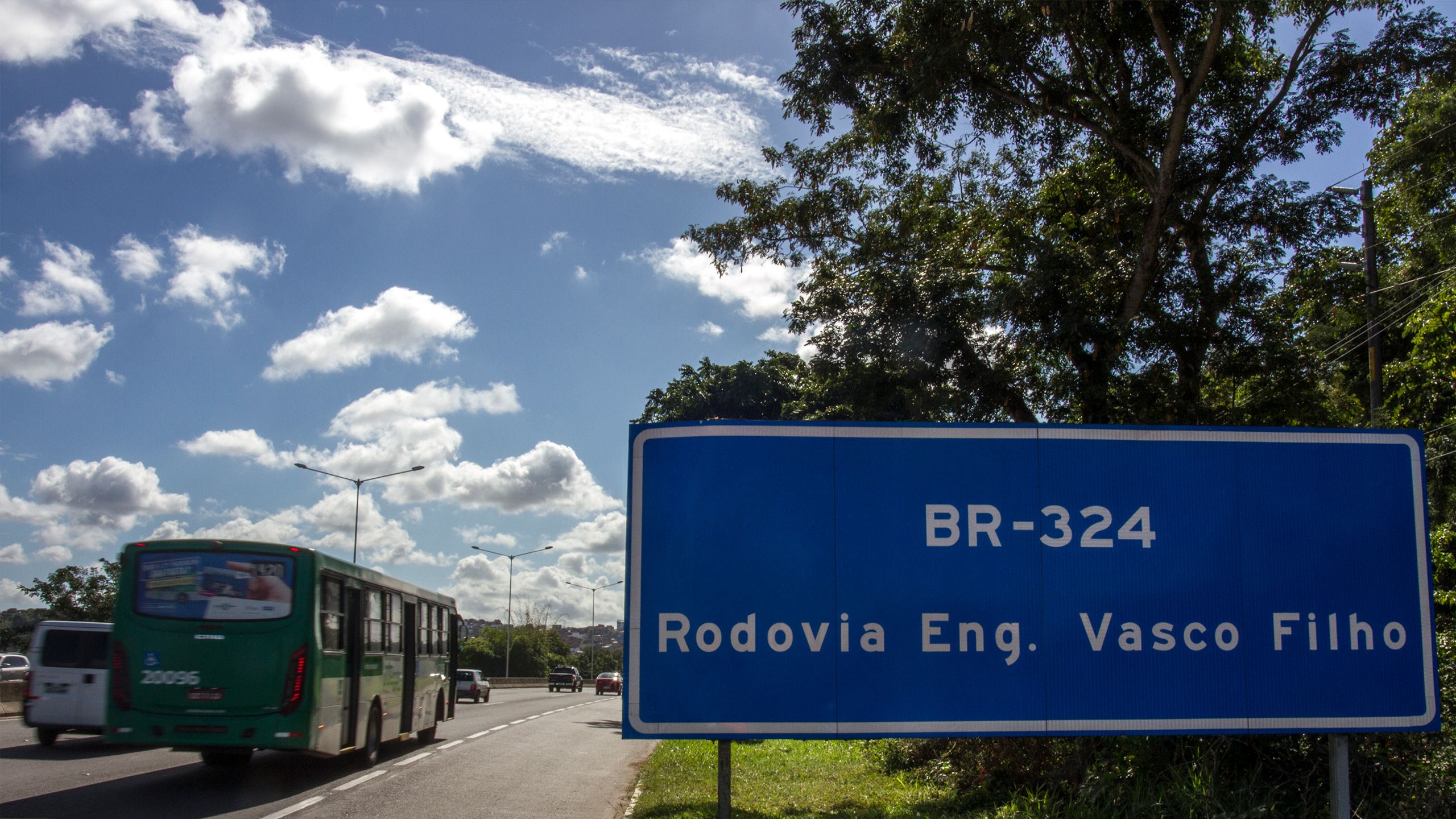
ROADIS manages and operates the BR-324 highway, which connects the cities of Salvador de Bahía and Feira de Santana.
In 2018, VIABAHIA celebrated its 9th anniversary of being established as the toll road operator responsible for managing and operating 680.6 km of highways in the state of Bahía. The number of road victims has decreased by 25.2% over the last three years. VIABAHIA’s initiatives on behalf of users, such as the implementation of new road safety elements and the concession holder's rescue teams, contribute to it achieving vital results for the road network.

The concession holder is awaiting the completion of the five-year review process, scheduled for the second half of 2019, through which the new operational and investment plan will be defined, adapting to user’s actual needs and, therefore, resuming investments.
On the other hand, VIABAHIA’s social and environmental responsibility was one of the key areas in 2018. Several projects and programs have been initiated and expanded. One of the highlights is the "Saúde no Trecho” project, which aims to assist 26 municipalities in the state of Bahía where the highways managed by the concession holder are located. In partnership with VITALMED and local municipalities, basic healthcare and other services are provided to residents free of charge. More than 1,650 people have benefited from this program and expectations for next year are even more optimistic.
The "Ser Voluntario" (Be a Volunteer) program has reached more than 572 hours of work done by our employees since it was set up, with numerous volunteer actions held in the communities covered by the road network managed by VIABAHIA.
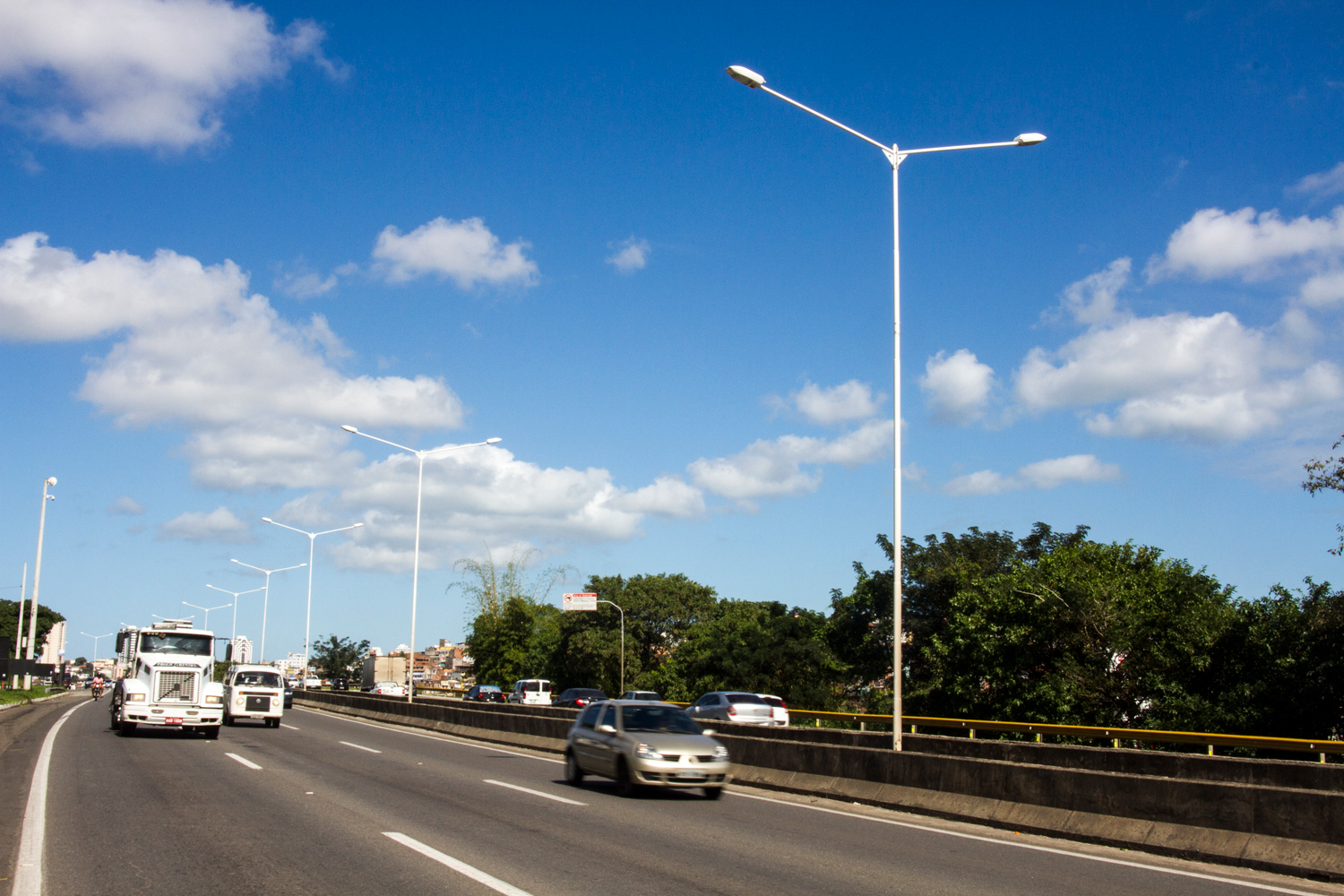
Over the period 2009-2018, the total investment deployed on the roads was 1.8 billion Brazilian reals. This investment included: restoration, road surfacing, lighting, special and ordinary engineering structures, embankments, retaining structures, central reservation and right-of-way, security and protection elements and expansion works.
Last December, works related to the mandatory expansion of the BR-116 highway between the municipality of Feira de Santana and the intersection with the BR-242 were resumed.
After almost a decade of strong growth (2002-2013), Brazil entered the worst recession in its history in 2015 (-3.8% of GDP) and 2016 (-3.6%). This financial crisis was due to the drop in the prices of basic commodities and the decline in consumption and investment.
However, the economy recovered in 2017 and GDP recorded a 1% progression. The budgetary adjustment and favourable economic conditions have aided a moderate recovery in the economy.
In 2018, the Brazilian economy confirmed its rebound and the country's GDP grew by 1.4%. The economy is expected to continue growing in 2019, with an estimated annual growth rate in the GDP of close to 2% (IMF).
Inflation grew slightly to 3.7% (compared to 3.4% in the previous year) and is expected to increase close to 4% in 2019. Budgetary consolidation is the Government's main objective, but, even though the budget deficit is expected to be reduced in 2019, the President's promise to reduce the imbalance to zero this year is not feasible.
The government budget balance recorded a deficit of 7.3% in 2018 and should remain at a similar level in 2019 and 2020. The widely anticipated elections were marked by the population’s increased demands of the political class and the election of the Social Liberal Party’s (PSL) right-wing candidate Jair Bolsonaro.
Even though the new President's policies are extremely controversial, both in Brazil and abroad, the initial economic response to his victory was positive, mainly due to the election of the new Minister of Economy: Paulo Guedes. The liberal Minister of Economy defends the formal independence of the Central Bank, the privatization of state enterprises and a capitalization system for social security. In respect to foreign policy, the new President intends to focus on bilateral trade agreements, allowing Mercosur members to negotiate bilateral free trade agreements.
Brazil’s unemployment rate remains high, reaching 11.8% in 2018. However, it recorded a decrease of 1% with respect to the previous year. The steady decrease in unemployment throughout 2018 contributed to an improvement in household consumption.
The highway sector in Brazil is the primary logistical system in the country with a network of 1,610,076 kilometres of national highways and roads (the fourth biggest in the world), transporting 56% of all freight in Brazil. This road network is the primary means of transportation for both freight and passengers. The Government of Brazil has been working to resolve several bottlenecks that affect the sector, including the five-year review for some assets such as VIABAHIA, pending completion.
The traffic index published by ABCR reported a fall of 1.9% throughout 2018 - light vehicles reported a fall of 2.7%, while heavy vehicles reported an increase of 0.4%.
These figures were affected by the intense transporters’ strike in May 2018..
As part of the Federal Government's ambitious Investment Partnerships Program (IPP), a toll project was put out to tender in November 2018. Eight projects under bidding will be carried out over the next two years. This also includes the concession programs also promoted by state governments, including São Paulo (5 projects), Rio Grande do Sul (2 projects) and one project in Minas Gerais.
VIABAHIA has a clear mission to manage the highway responsibly, contributing to the development of the state of Bahía through interaction with its people and communities, with added value for the sustainable development of Brazil. Given this, the concession holder has been developing projects and actions that aim to raise awareness and stimulate the participation, education and health of both road users and the communities located around the stretch managed by the concession holder.
VIABAHIA maintains a close relationship with the communities in our area of influence, particularly those that are in some way affected by the works or services carried out by the concession holder. Whenever needed, the concession holder participates in meetings with communities, councils and different organizations through the institutional relations area.
There are numerous channels of communication available: a free telephone hotline, Twitter, email and the user's service and support area. VIABAHIA offers ongoing, open channels for dialogue to meet stakeholders’ needs.
Job creation: 624 direct and 820 indirect jobs in 2018. In addition, the 27 municipalities in our area of influence receive the ISS (Service Tax) collected from the tolls R$160 million has been transferred from the start of the operation, thus contributing to regional economic development.

The "Saúde no Trecho" Program, run by VIABAHIA in partnership with VITALMED, ended 2018 having had an impact on more than 1,650 people.
educate and inspire local communities, drivers and employees to be more aware of and employ better behaviours and practices concerning the environment.
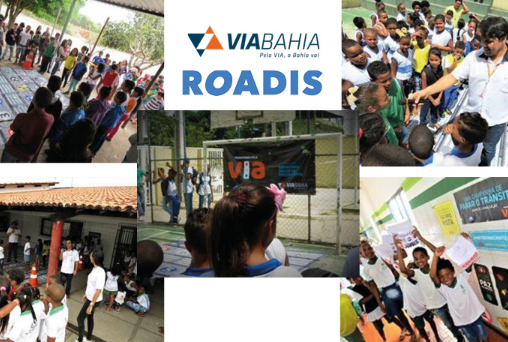

from the Luis Viana Filho public school. The event, the result of the partnership between VIABAHIA, the Center of Ophiology and Animals of Bahía (Núcleo de Ofiología y Animais Peçonhentos da Bahía (NOAP)) and the Federal University of Bahia (UFBA), helped the children to observe some poisonous animals closely, in addition to teaching them basic key concepts about the poisonous animals.
promoted a session of film and puppet theatre for 140 children from the María Rosa Freire public school in the city of Salvador, addressing issues related to social and environmental awareness and how to take better care of our water.

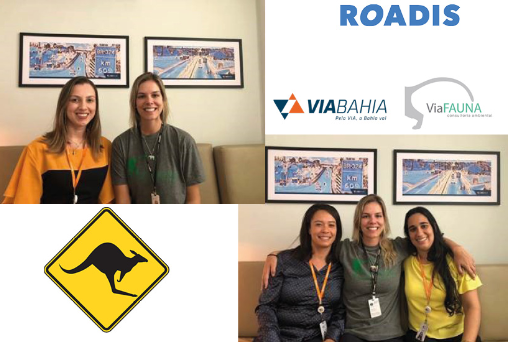
which brought together more than 440 children from the municipality of Brejões to raise awareness on issues relating to the environment. At the end of the day, they helped plant 150 trees.