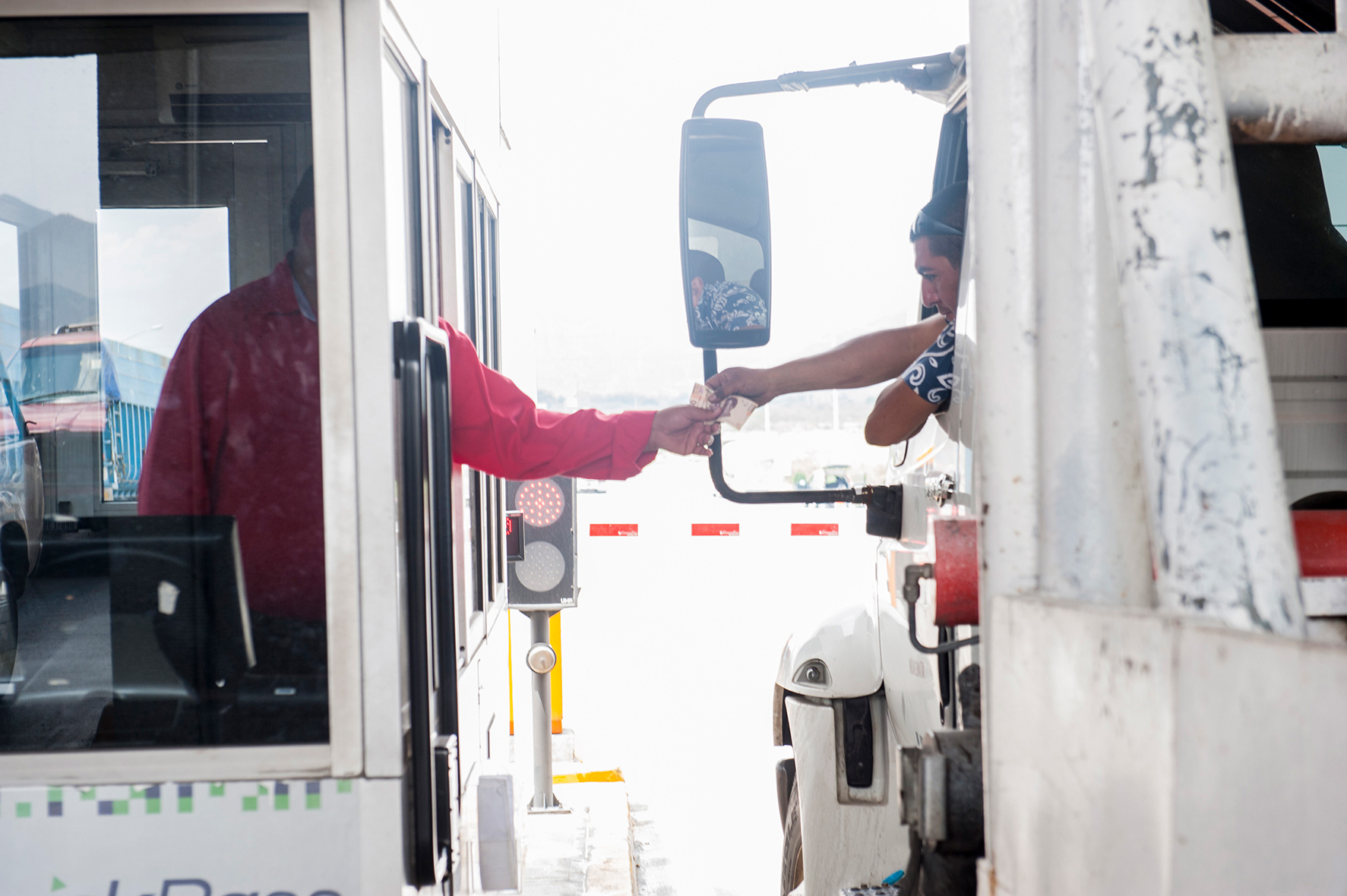



In México, ROADIS manages two major hubs in the country that have been fully operational since opening to traffic in 2011 and in 2012. The 45-year concession of the Saltillo-Monterrey and Perote-Banderilla-Xalapa highways includes 155 kilometres and allows our company to participate in two strategic transportation routes for the country.
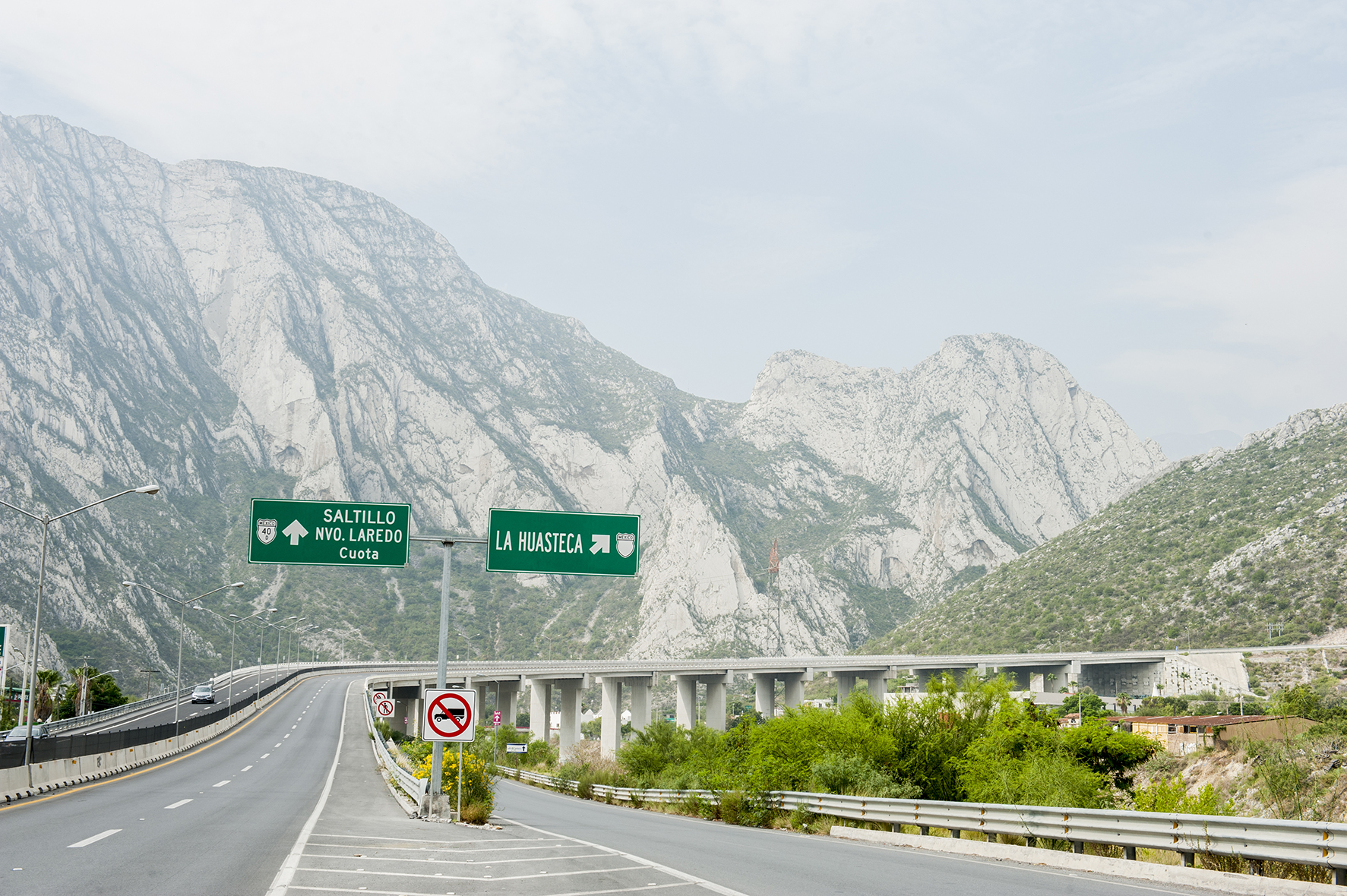
The concession is responsible for the construction, operation and maintenance of a highway in Northern Mexico (between Monterrey and Saltillo). The concession has been fully operational since November 2011, with the opening of the first section in October 2009.
It is a high-capacity route that improves the connectivity between these two cities in the north of the country: Saltillo, capital of the state of Coahuila de Zaragoza, and Monterrey, the most populous city and capital of the state of Nuevo León. Therefore, this highway represents a competitive route for the more than five million inhabitants who live in the metropolitan areas of these cities, which include some of the most important industrial areas in the country.

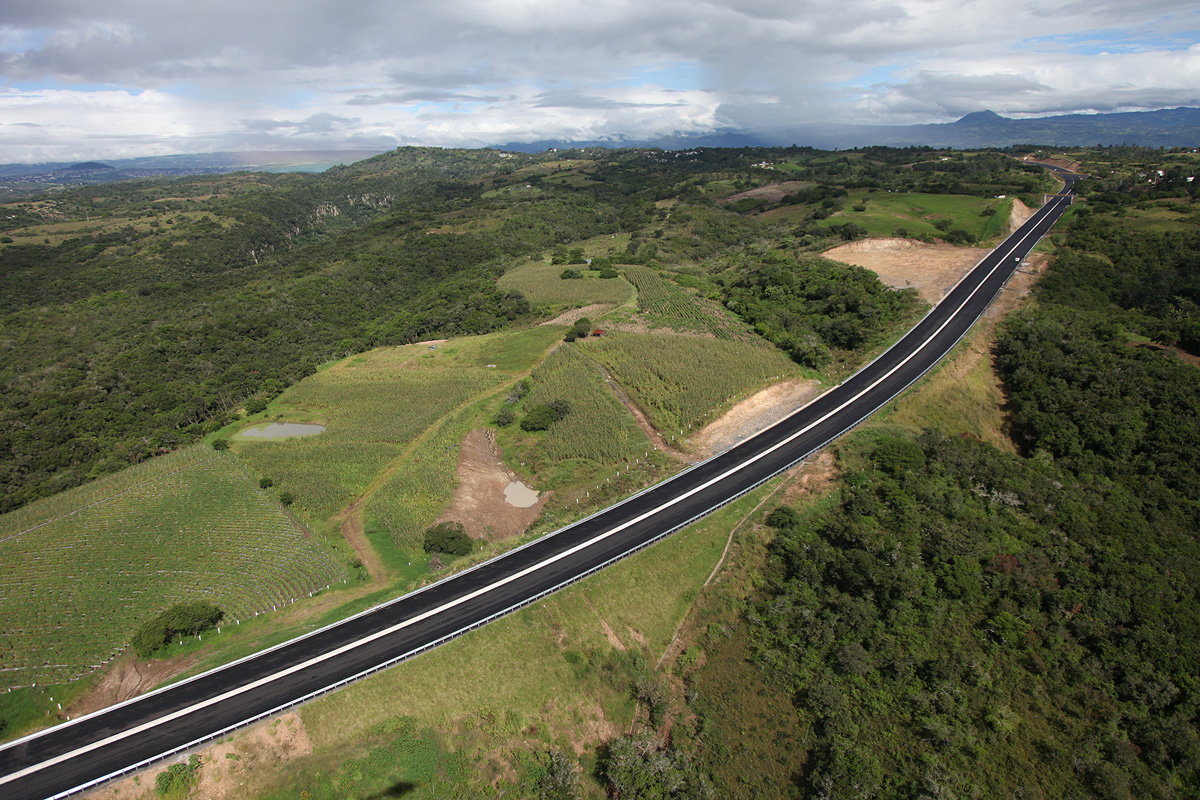
The concession is responsible for the construction, management, operation and maintenance of two toll stretches in Southern Mexico (Perote-Banderilla and Libramiento de Xalapa)
Part of the project started operating in July 2012, and it became fully operational on 31 December that same year. It is the most modern and safest road in the state of Veracruz. With four lanes, it was designed with the aim of speeding up traffic and (reducing travel times and costs between Mexico City and Veracruz.
Just three years since being established, ROADIS has seen three years of fantastic results in Mexico: the traffic, revenues and liquidity generated on the two toll highways we manage in the country have experienced strong double-digit growth for the third consecutive year. (TO HIGHLIGHT)
These good results have been generated within the context of the renegotiation of NAFTA (North American Free Trade Agreement) being concluded, an agreement with the United States and Canada that has not yet been ratified. An election year, in July, which would lead to a change of government in the country. For the first time in the history of Mexico, a left-wing party governs: MORENA.
The biggest challenge we face is the low growth in the country’s GDP, which has been falling since 2016 and is being accentuated in early 2019. Some rating agencies have focused on this low growth, which could affect the future growth of traffic on our highways and the financial conditions for refinancing projects. At the moment, this situation has not affected our assets.
In the area of opportunities, the new Government has been open to private initiative and ROADIS is proposing some projects to continue growing in the country. These proposals are currently under analysis and approval by the Authorities.
2018 was marked by the presidential elections in Mexico. Andrés Manuel López Obrador (AMLO) became the first elected president from a left-wing party. His party, MORENA, also won a majority in both Houses of the Federal Congress, as well as 5 of the 9 governorships in contention (including Veracruz, where COPEXA is located) and 19 of the 32 state legislatures. Currently, the president remains highly popular (~ 70% approval rating according to available surveys).
His political agenda highlights important priorities: the fight against corruption, the reduction of state officials’ privileges, a strict austerity policy, the recovery of state companies in the energy sector (oil and electricity) and the fight against poverty through social programs.
In terms of infrastructure, the Executive's first decisions provoked little optimism. They included the cancellation of the New Airport in Mexico City (with an investment of around 130,000 million pesos, ~ 6,826 million dollars). However, decisions would also come in another direction. The presentation of an Economic Package for 2019 that is considered to be moderate and does not change the tax system. And the Executive’s drive to seek early ratification of the USMCA (NAFTA 2.0). Initiatives that confirm the objectives of maintaining a macroeconomic framework within the parameters of public finance stability and maintaining good trade relations with the United States and Canada.
In the road sector, both with the Expenditure Budget proposed by the incoming administration and with the targets included in the 2019-2024 National Development Plan, the Government of Mexico shows it is a priority to use public resources for the construction and improvement of rural roads in the southeast of the country. Infrastructure needs in other parts of Mexico open up opportunities for private investment to find areas for participation in developing road infrastructure in strategic economic and regional areas.
In this regard, ROADIS, faithful to its long-term commitment to Mexico, has submitted investment proposals for the north of the country that are being evaluated for approval.
The national infrastructure plan will define the main projects for the six-year period and will be published in October 2019, consequently, there is still some uncertainty with respect to the road projects that will be a priority for the new government. However, the 2019 budget for the Secretariat of Communications and Transport (SCT) has been approved, the highlights of which are as follows:
For 2019, the SCT has a total budget of 66.554 billion pesos (~ 3.49 billion dollars): -21.3% less than what was approved for 2018. In terms of road infrastructure, 9.527 billion pesos (~ 499.7 million dollars) have been budgeted for the construction and modernization of 251.5 kilometres of the federal network. A total of 1 billion pesos (~ 52.4 million dollars) to release road rights on 145 kilometres. 660.7 million pesos (~ 34.6 million dollars) for pre-investment studies. 3.201 billion pesos (~ 167.9 million dollars) for provision of service projects.
In Rural Road infrastructure, 8.17 billion pesos (~ 428.5 million dollars) will be channelled for the conservation and reconstruction of 7,475 kilometres and the realization of technical studies on 1,800 kilometres. A total of 19.567 billion pesos (~ 1.026 billion dollars) will be allocated for the conservation and maintenance of the national road network. This will permit: the reconstruction of 67.48 kilometres, 127 bridges and 32 points of conflict. Besides the periodic conservation of 2,865.91 kilometres and routine conservation of 44,700.3 kilometres (added to routine conservation of bridges at 7,714 points).

2,103.9 kilometres of the road network will be covered under a new financing scheme for multi-year highway conservation contracts. Finally, 10 Public-Private Partnership (PPP) Projects will be covered, with an estimated target of 3,219.27 kilometres on the stretches of road. In addition, 2.2 billion pesos (~ 115.4 million dollars) will be allocated in Provisions for the development, modernization and restoration of communication and transport infrastructure.
According to the Sixth Progress Report by the SCT, the road network infrastructure transports 96% of passengers nationwide and 56% of freight volume. The inventory of the National Road Network as of June 2018 is presented in the same report:
• 40.590 km Federal Toll-Free Network
• 10.274 km Highways
• 347.129 km Rural Road Network
The same report shows that 10 road undertakings were concluded from September 2017 to June 2018, with an investment of 11.609 billion pesos (~ 609.6 million dollars), associated with a total target of 273 kilometres. As respects the construction, modernization and conservation of the country's road infrastructure, 390 billion pesos (~ 20.481 billion dollars) were allocated during the 2012-2018 administration, of which 68.39 billion (~ 3.591 billion dollars) corresponded to private resources. On public and private investment for the period from September 2017 to 2018, a total of 41.072 billion pesos (~ 2.156 billion dollars) were allocated, divided into: 36.709 billion pesos (~ 1.927 billion dollars) in public investment, and 4.362 billion pesos (~ 229.1 million dollars) in private investment.
According to the Statistical Annex to the Sixth Governmental Report by the Federal Executive in Mexico, it is noted that the highest growth rate in the period is recorded for concession roads (44.61%), which is equivalent to average annual growth of almost 7.5% (more than five points higher than the average annual growth in GDP). The variations seem to be associated with the increase in the concession network, as well as with the intensity of the trade flows between Mexico and the United States.
On the other hand, the downward trend estimated for 2019 could be associated with the uncertainty generated by the renegotiation of the North American Free Trade Agreement; as well as the uncertainties generated in the Mexican automotive sector and electoral dynamics, which have an impact on the consumption of durable goods.
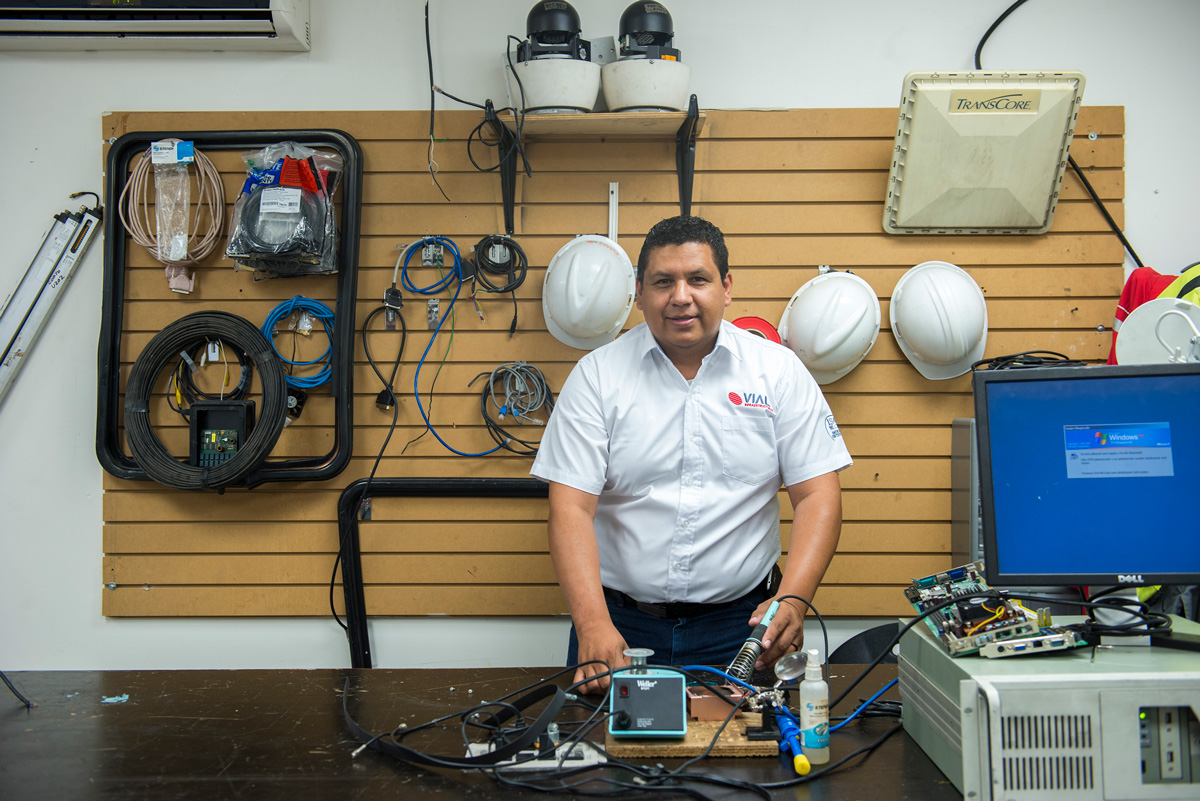
CAMS y COPEXA, our two toll highways in Mexico, have contributed to the development of the communities in which they operate through the creation of a significant number of direct and indirect jobs. In addition, these two highways provide their users a wide variety of services, always ensuring their comfort, safety and road quality. The free services provided on the highway include: roadside assistance in case of accident, towing service, a 24/7 emergency service and SOS phones located at strategic points along the highways.
With respect to corporate responsibility, the CAMS team has carried out various initiatives as part of its commitment to neighbouring communities, such as working together with the Federal Police on charity races