


With 710 kilometres of highway under management, ROADIS is the biggest European highway operator in India. The company holds a solid position in the country as a result of the knowledge and experience it has acquired in terms of project development and management over recent years.
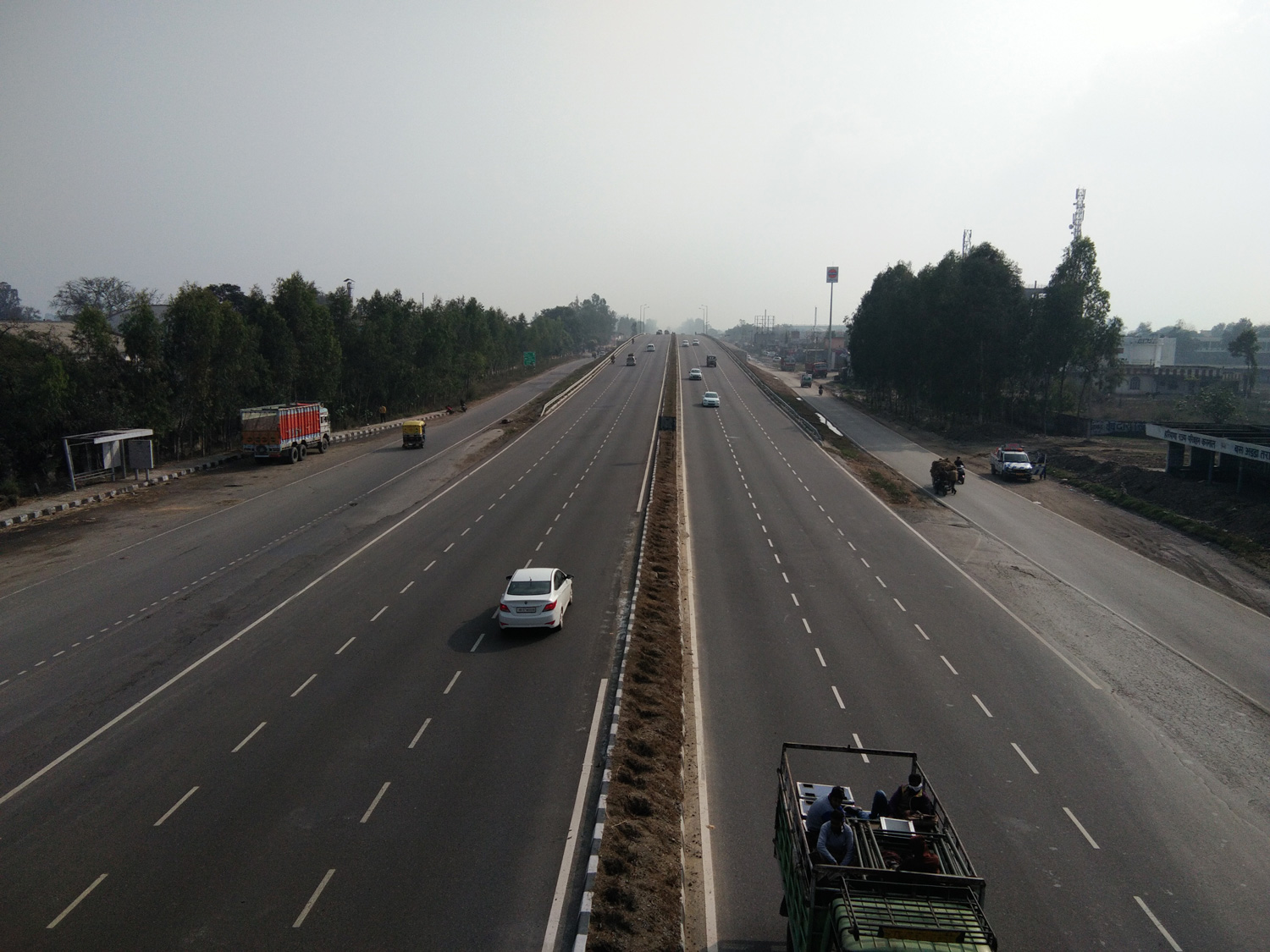
Awarded in 2008, this project involved the expansion to 6 lanes of the NH-1, Panipat-Jalandhar section (291.1 km), in the states of Haryana and Punjab. ROADIS has a 61% stake in this concession.
This stretch is on the national highway trunk route that connects Delhi with the Northern cities of Ludhiana and Jalandhar.
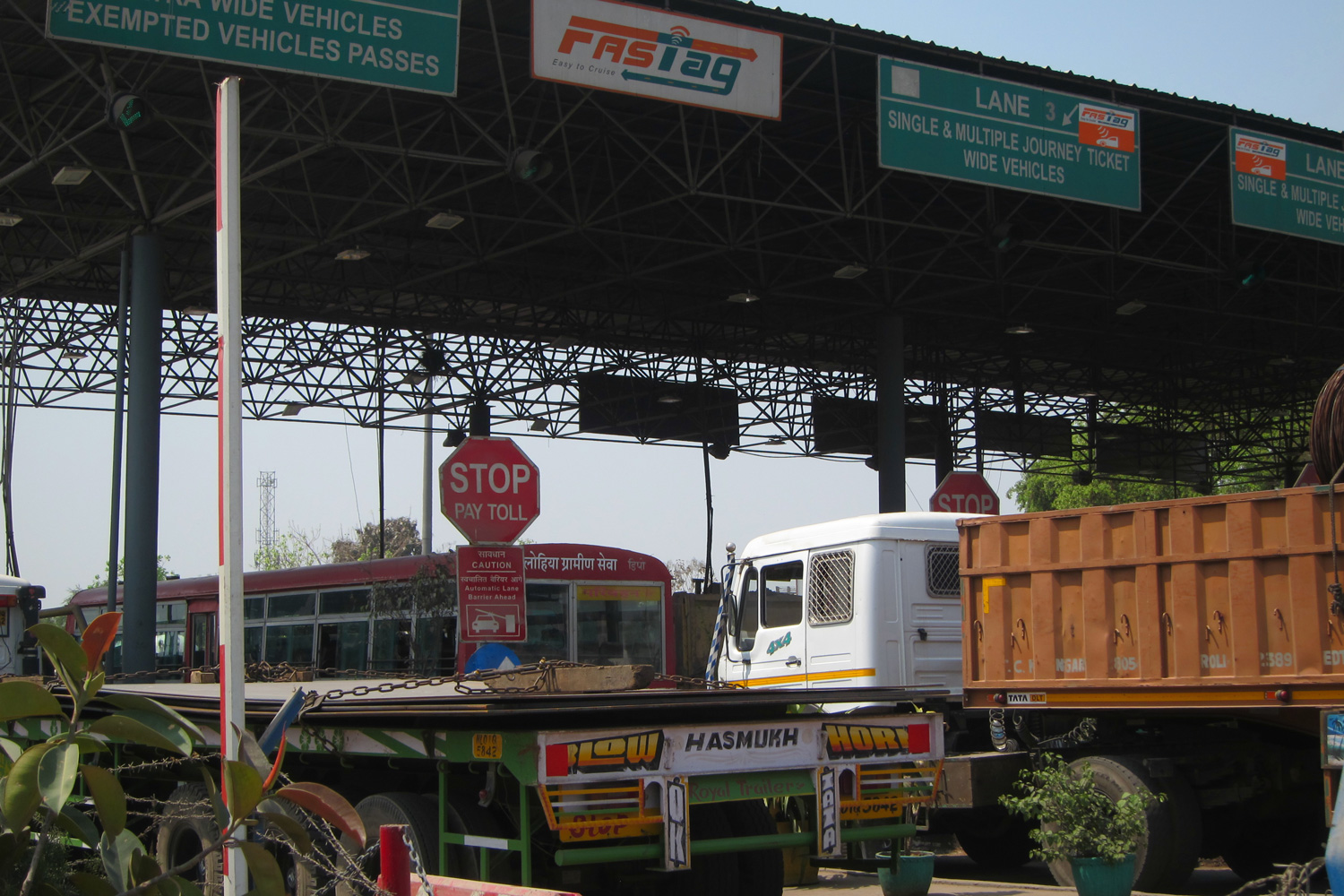
Awarded in 2010, this project involved the expansion to 6 lanes of the NH-2, Varanasi-Aurangabad section (192.4 km), in the states of Uttar Pradesh and Bihar. ROADIS has a 50% stake in the project.
This stretch is on the Delhi - Kolkata highway, and connects the cities of Aurangabad (in Bihar) and Varanasi (in Uttar Pradesh). The importance of Varanasi as one of the main pilgrimage sites in India should be mentioned. In addition, the area is surrounded by sand and coal mines, which generate significant commercial traffic
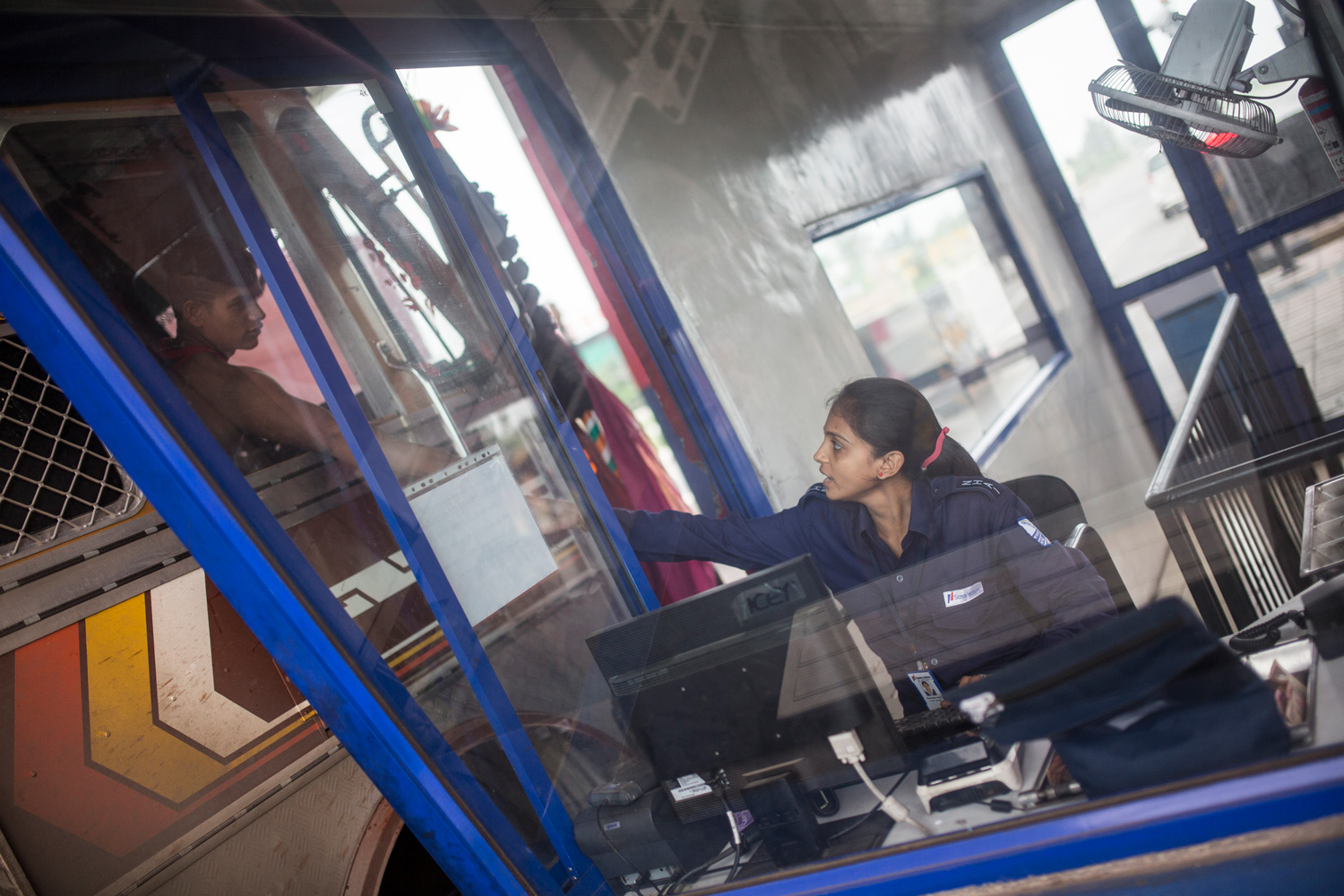
Awarded in 2009, this project involved the construction of 4 lanes of the NH-6 on the section that connects the port of Gujarat with Hazira (131.5 km) in the state of Gujarat. ROADIS has a 78% stake in the project.
This stretch connects the city of Surat (the eighth most populous city in India and the second in the state, after Ahmedabad) with the port of Hazira, which is one of the main industrial and commercial ports along the industrial corridor between Delhi and Mumbai.
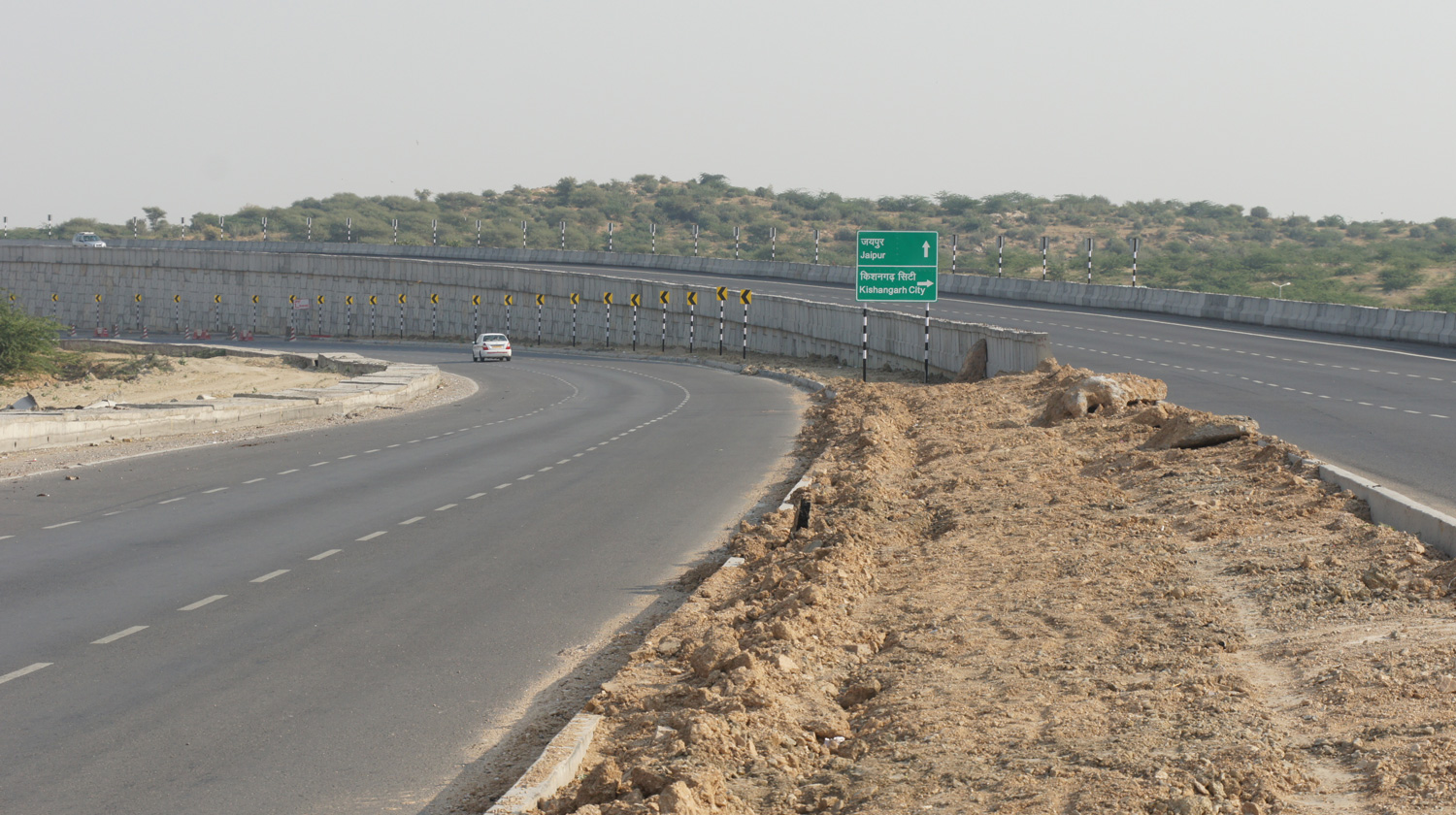
Awarded in 2009, this project involved the expansion to 6 lanes of the NH-8, Kishangarh-Ajmer-Beawar section (93.56 km) in the state of Rajasthan. ROADIS has a 50% stake in the project.
This stretch is on the Ajmer-Jaipur highway, one of the most important roads in Rajasthan. India’s main limestone and cement producers, as well as other construction material companies are located in this region.
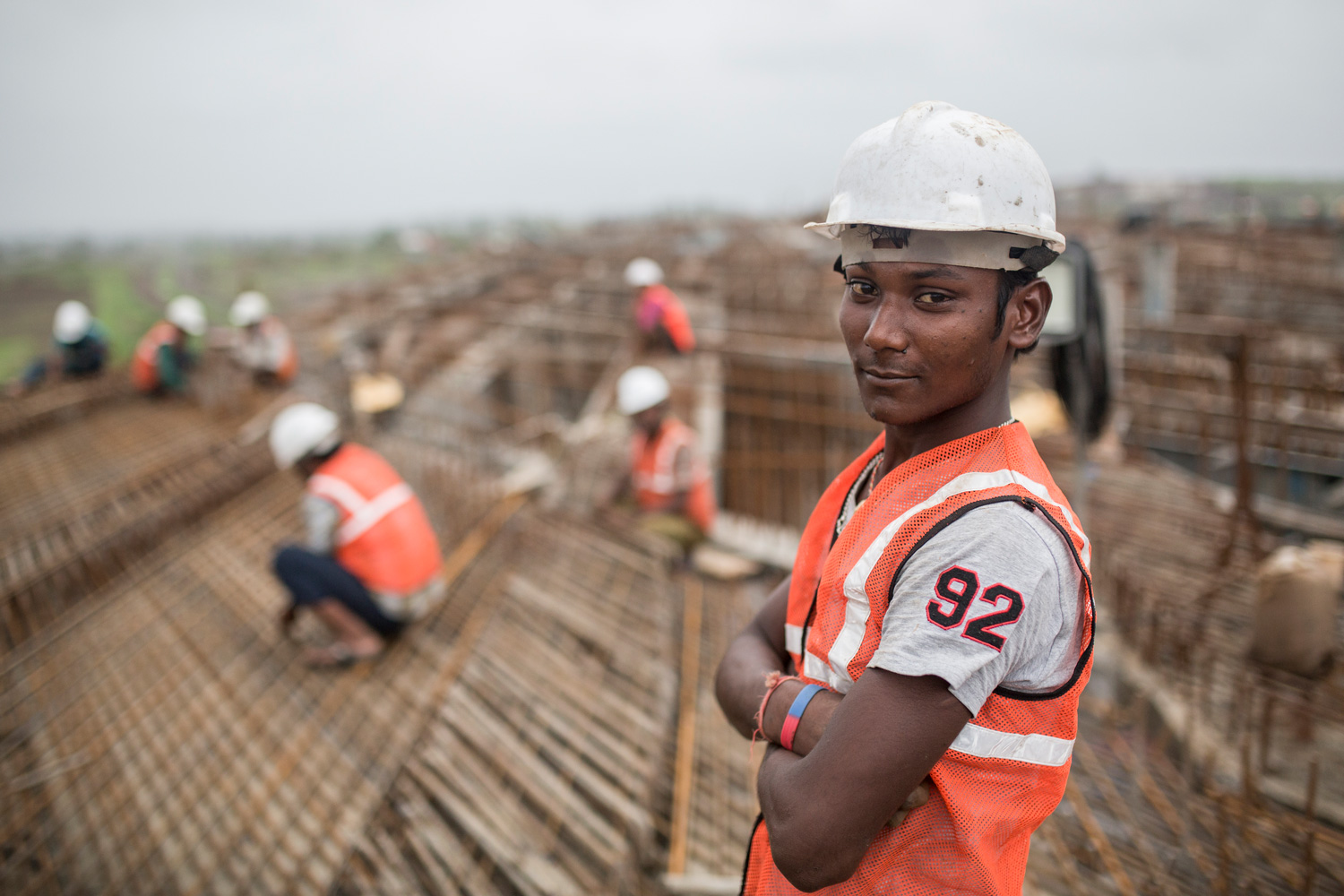
The performance of the existing assets has been good, particularly the NH-1 and NH-2. Some of the main inherited problems have been resolved. In India, the ROADIS team carried out the debt restructuring plan for the NH-6 highway. The plan contributed to adding value to the project by reducing the cost of the debt and consolidating ROADIS’ position in the shareholding, which rose from 50% to 78%.
With the NH-2, under construction, 113 km have already been completed, around 60% of the project's scope.
The National Highway Authorities of India (NHAI) is tendering a significant number of highway projects under various implementation models. The ROADIS team in India is actively working on these new investment opportunities, whether under the hybrid model with availability payment or under the TOT (Toll-Operate-Transfer) model.
It is expected that India's economy will continue to be the main economy with the best growth rates in the world, with forecasts for growth in GDP reaching 7.5% in 2020. The scenario is positive: headline inflation remains below the target and political uncertainty is reduced. Due to all these reasons, investment opportunities are expected to increase.
To accelerate and catalyse the development of companies in the economy, the Government has implemented several reforms favourable to long-term growth. Major initiatives such as the Insolvency and Bankruptcy Code and the implementation of a national indirect tax (GST) are examples of this.
Road construction in India experienced an average increase of 23.25% between the 2014 and 2018 financial years, due to growing aggregate demand, support policies and increased investment. In the 2018 financial year, 9,829 km of roads were built, with an expenditure of 15 billion euros. For 2019, the Government has set a construction target of around 16,420 km. Future prospects for the highway sector are also good, thanks to the announcement of several large-scale projects: Bharatmala Pariyojana, Delhi-Mumbai Expressway, and the sale of existing assets through different batches under the TOT model.
Bharatmala Pariyojana is the Government's general program for the highway sector. Its target is the completion of 83,677 km of roads for 2022. It has an estimated cost of 69.4 billion euros. The PPP contribution will be around 20%, which makes it the biggest disbursement for a government road construction plan. This plan focuses on optimizing the efficiency of freight and passenger transport throughout the country, covering critical infrastructure gaps through effective interventions such as the development of economic corridors, coastal and port connectivity roads and highways under the greenfield model.
In addition, the Government has embarked on the construction of the Delhi-Mumbai Expressway, a 1,250-km controlled access highway that connects the national capital, Delhi, with India’s commercial capital, Mumbai. It is expected to be completed by 2023.
In short, a total of 200,000 km of national roads will be completed by 2022 under the main implementation models: HAM, TOT, BOT and EPC. In addition, in 2018, a total of 59 HAM (Hybrid Annuity Model) projects of 2,721 km were awarded, totalling 8.9 billion euros.
Asset recycling, through the Toll-Operate-Transfer (ToT) model has also been adopted by the NHAI for 100 highways. The first package of 9 highways, totalling around 680 km, was monetized for an investment of 1.3 billion euros.
In conclusion, the highway sector is experiencing a high level of activity.
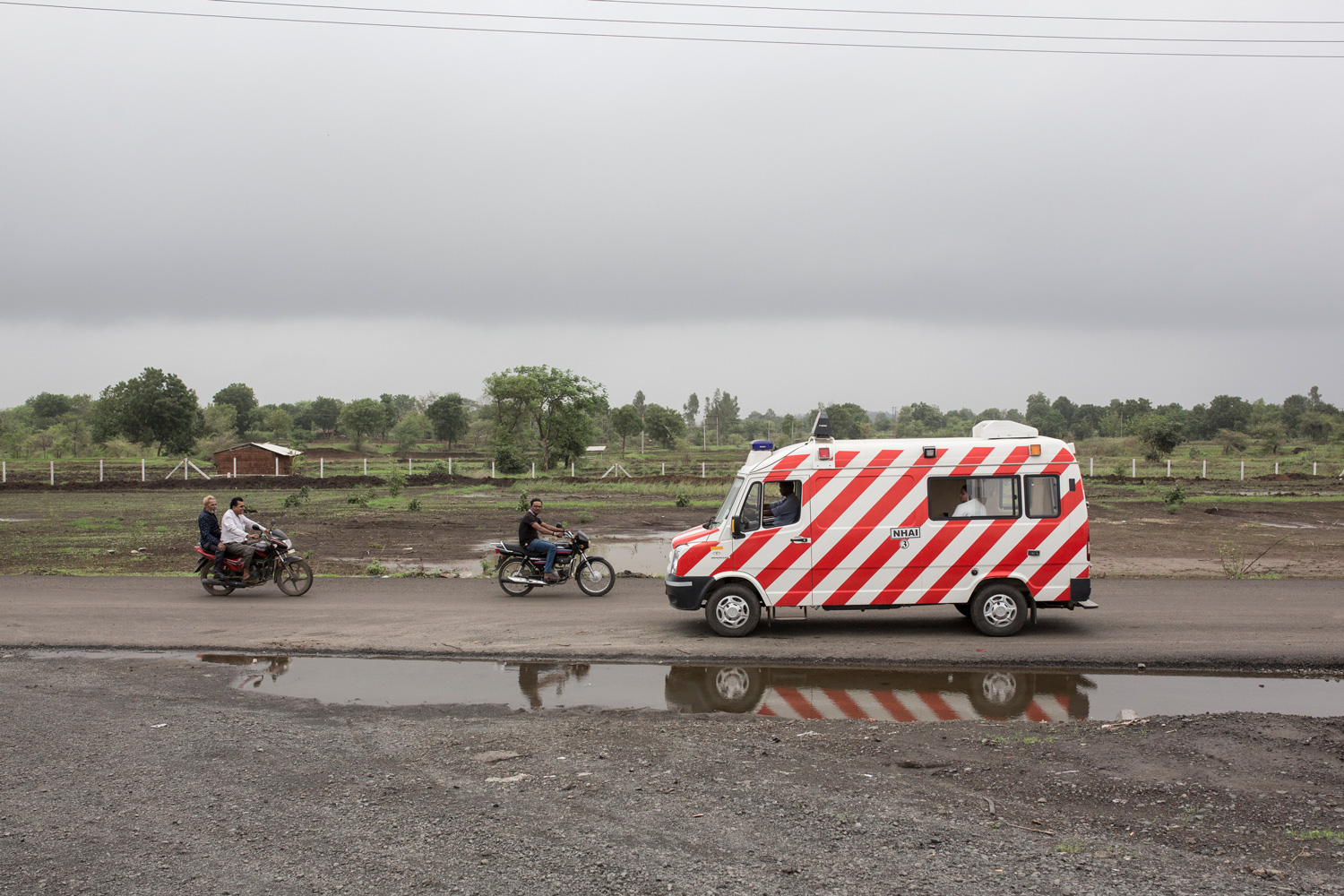
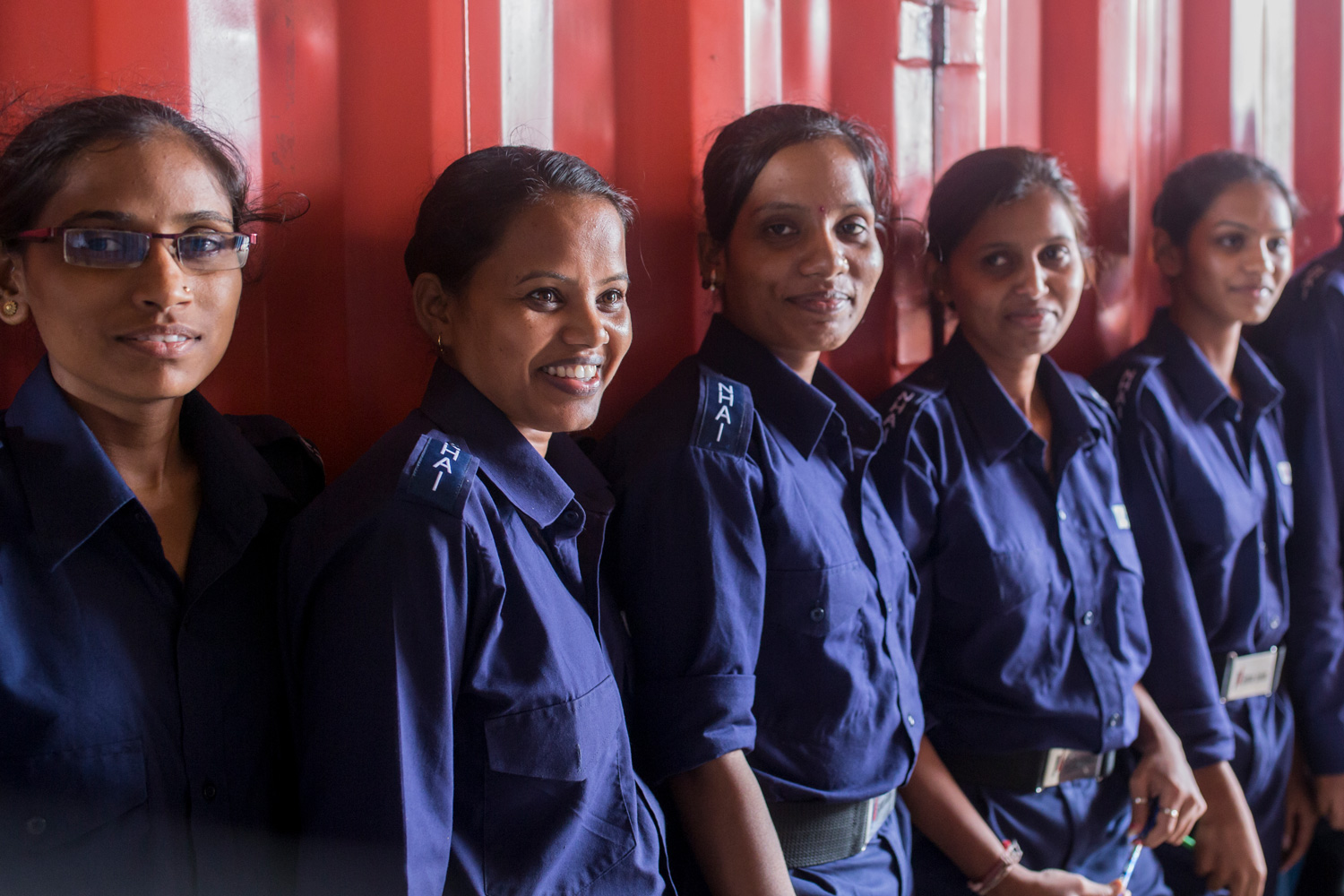
ROADIS assets in India have created a very significant volume of direct and indirect jobs in their communities. In addition, with the high-quality transport network provided by our roads, communities in the areas of operation have improved access to infrastructure and basic socio-economic services, such as markets, schools, health centres etc., thus reducing travel times and costs.
ROADIS remains committed to protecting the environment in India. Thus, it complies with the environmental requirements management framework as provided by the NHAI for the four existing projects. In addition, it adheres to the Environmental Management Plan approved in the O&M manual, which monitors various environmental parameters during the operation phase for these projects.